미국이 주도한 북한에 대한 경제봉쇄 정책을 교묘히 피해서 김정은이가 필요한 고급품을 구입하는데, 많은 돈을 탕진하고 있지만, 기업들이 알게 모르게 협조하여, 그러한 봉쇄정책을 무용지물로 만드는, 아주 적절한 사례가, 지난 4월의 문재인, 김정일이가 판문점 정상회담시 타고왔던 고급 방탄 벤츠차가 어떻게 평양에 들어갔는가를 잘 보여주는 사례라 할수 있다. 미국의 동맹국으로 믿고 있는 일본, 한국의 항구를 이용했다는 점에 미국정부의 배신감은 더 커질것으로 보여진다.
CNN의 추적기사 보도 내용에 따르면 다음과 같은, 6개국의 항구를 거쳐 김정은이가 그렇게도 갖고싶어 했던 방탄무장된 벤츠차를 평양에 도착하게되는데, 정박했던 항구마다 다음 행선지를 다 알고 있었겠지만, 특히 부산항에서 다시 다른 화물선에 실어 러시아의 Nakhodka항으로 떠났을때는 분명히 최종 목적지가 평양이었음을 알았을 확률이 매우 높다는 생각을 지울수가 없었다는게 나의 생각이다.
이보고서를 작성한 Kuo씨는 다른 보고서 작성자와 함께 8개월 동안, 어떻게 해서 김정은이가 합법적으로 고급방탄 벤츠차들을 획득할수 있었는가를 조사한 것이다. 이들은 어떻게 해서 방탄벤츠차가 Rotterdam에서 평양까지 무사히 도착했나를 확인하기위해, 세관통관기록들, 선적날자, 선적확인서와 이동경로를 추적한 객관적인 서류들을 추적 조사한 것이다.
"우리의 추적과 세심한 조사 결론은 벤츠차량은 처음부터 평양으로 운송할려는 계획하에 이루어진 것으로 생각할수밖에 없었다" 라고 그는 설명한다.

보고서를 작성한 Kuo씨와 동료기자는 결론짖기를, 두대의 방탄용 벤츠세단은 Rotterdam항을 떠나 중국의 대련으로, 그다음에는 일본 오사카로, 그곳에서 다시 한국의 부산항을 거쳐, 다시 선적되여 DN5505로 불리는 화물선에 선적된 것이다.
선박 DN5505의 Transponder는 다시 작동시켰을때의 지점은 정확히 Transponder를 Turned off한 지점이었다. 그런데 방향이 반대로 선수를 돌렸고, 정확히 부산항으로 되돌아가고 있었다. 11월2일 이배는 부산항 세관에 신고하기를 석탄을 싣고 러시아의 Nakhodka항으로 향한다고 신고한것이다. 그러나 Nakhodka항의 입항신고서에는 이배가 입항했다는 기록이 전연 없었다.
이렇게 긴 항해는 뭔가 석연치 않은게 많았다. 이배가 한국의 부산항을 떠난후 바로 AIS system(바다에서 선박의 위치추적) 을 통해 확인된 바로는, 러시아의 Nakhodka 를 향해 항해후 10월5일에 도착한것이다라고 C4ADS를 발표한 것이다.
아래의 기사는 불란서 사진작가, Raphael Olivier 와 CNN이 묻고 답한 내용의 한구절이다.
Joshua Berlinger, CNN
C4ADS found that North Korea imported at least $191 million worth of luxury goods from 2015 to 2017, sourced from "as many as 90 countries" in violation of United Nations sanctions. Definitive figures are difficult to determine because there isn't a shared definition of what constitutes a "luxury item" and due to the surreptitious way North Korea imports such items.
https://www.cnn.com/style/article/north-korea-luxury-vehicles-intl-hnk/index.html
http://news.chosun.com/site/data/html_dir/2019/07/18/2019071800041.html
CNN의 추적기사 보도 내용에 따르면 다음과 같은, 6개국의 항구를 거쳐 김정은이가 그렇게도 갖고싶어 했던 방탄무장된 벤츠차를 평양에 도착하게되는데, 정박했던 항구마다 다음 행선지를 다 알고 있었겠지만, 특히 부산항에서 다시 다른 화물선에 실어 러시아의 Nakhodka항으로 떠났을때는 분명히 최종 목적지가 평양이었음을 알았을 확률이 매우 높다는 생각을 지울수가 없었다는게 나의 생각이다.
이보고서를 작성한 Kuo씨는 다른 보고서 작성자와 함께 8개월 동안, 어떻게 해서 김정은이가 합법적으로 고급방탄 벤츠차들을 획득할수 있었는가를 조사한 것이다. 이들은 어떻게 해서 방탄벤츠차가 Rotterdam에서 평양까지 무사히 도착했나를 확인하기위해, 세관통관기록들, 선적날자, 선적확인서와 이동경로를 추적한 객관적인 서류들을 추적 조사한 것이다.
"우리의 추적과 세심한 조사 결론은 벤츠차량은 처음부터 평양으로 운송할려는 계획하에 이루어진 것으로 생각할수밖에 없었다" 라고 그는 설명한다.

보고서를 작성한 Kuo씨와 동료기자는 결론짖기를, 두대의 방탄용 벤츠세단은 Rotterdam항을 떠나 중국의 대련으로, 그다음에는 일본 오사카로, 그곳에서 다시 한국의 부산항을 거쳐, 다시 선적되여 DN5505로 불리는 화물선에 선적된 것이다.
선박 DN5505의 Transponder는 다시 작동시켰을때의 지점은 정확히 Transponder를 Turned off한 지점이었다. 그런데 방향이 반대로 선수를 돌렸고, 정확히 부산항으로 되돌아가고 있었다. 11월2일 이배는 부산항 세관에 신고하기를 석탄을 싣고 러시아의 Nakhodka항으로 향한다고 신고한것이다. 그러나 Nakhodka항의 입항신고서에는 이배가 입항했다는 기록이 전연 없었다.
이렇게 긴 항해는 뭔가 석연치 않은게 많았다. 이배가 한국의 부산항을 떠난후 바로 AIS system(바다에서 선박의 위치추적) 을 통해 확인된 바로는, 러시아의 Nakhodka 를 향해 항해후 10월5일에 도착한것이다라고 C4ADS를 발표한 것이다.
아래의 기사는 불란서 사진작가, Raphael Olivier 와 CNN이 묻고 답한 내용의 한구절이다.
CNN: 세계 어느곳에서도 보지못했던 북한의 건축양식을 보고, 귀하가 충격적이라고 느낀점은 무엇인가?
RO:구 쏘연방의 어느 도시를 갔을때, 원형의 디자인, 시멘트와 철근을 이용한, 오래전에 유행했던 미래지향적 스타일의 고급 엘리멘트로 건축됐음을 보게된다. 모스코바, 동유럽 그리고 중앙 아시아의 건축물들이 이와 같다는것을 볼수 있다. 그러나 그건축물들은 현대의 건축술에서는 사용돼지 않거나 버려진 건축기술인것이다.
즉 한마디로 요약하면 평양의 건축모양은, 공상과학영화를 촬영하기위해 셋트로 만들어 놓은것 같다고 할수 있다.
Mercedes의 실제 소유주인 Daimler사의 설명에 따르면, 어떻게 해서 그차량들이 평양에 배달됐는지를 알길이 없다는 것이다.
"우리회사는 북한과의 상거래가 지난 15년간 전연없었다. 우린 정확히 UN 경제봉쇄정책을 준수하고 있다. "
Mercedes의 실제 소유주인 Daimler사의 설명에 따르면, 어떻게 해서 그차량들이 평양에 배달됐는지를 알길이 없다는 것이다.
"우리회사는 북한과의 상거래가 지난 15년간 전연없었다. 우린 정확히 UN 경제봉쇄정책을 준수하고 있다. "
Joshua Berlinger, CNN
On
June 14, 2018, two armored Mercedes-Maybach S600 Guard vehicles were
shipped from the Dutch Port of Rotterdam, heading out on a journey that
would take months and see the cars transported thousands of miles
through six countries, according to a new report from the
Washington-based Center for Advanced Defense Studies (C4ADS).
After
stops in China, Japan, South Korea and Russia, the two cars -- each
worth about $500,000 -- are believed to have been flown to their final
destination, Pyongyang. And in the North Korean capital, there's only
one customer who likely requires this type of ride.
The
origin and journey of the two Mercedes luxury vehicles were exposed in
the C4ADS report. CNN has not independently verified C4ADS' reporting.
Sanctions
passed by the United Nations as punishment for Pyongyang's nuclear
weapons development are supposed to bar companies and individuals from
selling luxury goods to North Korea.
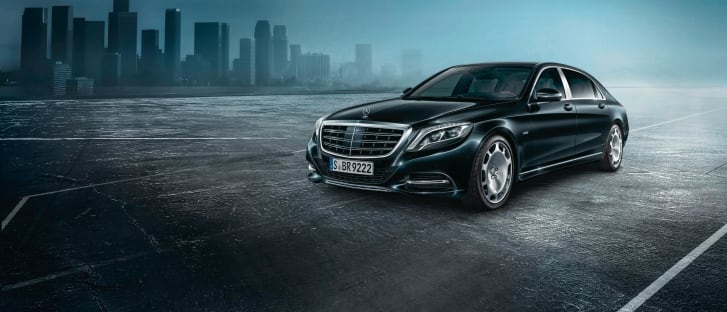
The exterior of a Mercedes-Maybach S 600 Guard. Credit: Daimler AG MediaPortal
C4ADS found that North Korea imported at least $191 million worth of luxury goods from 2015 to 2017, sourced from "as many as 90 countries" in violation of United Nations sanctions. Definitive figures are difficult to determine because there isn't a shared definition of what constitutes a "luxury item" and due to the surreptitious way North Korea imports such items.
The
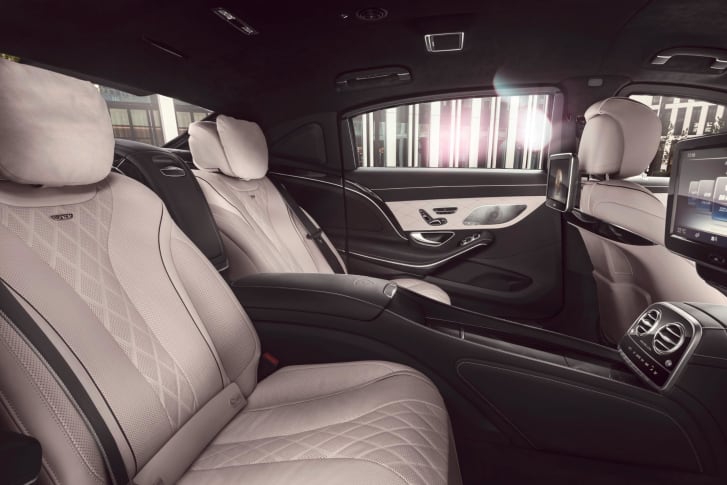
Mercedes-Maybach S600, however, is undoubtedly luxurious. It's equipped
with leather massaging seats and armor to protect occupants from
steel-core ammo fired from assault rifles and from explosive devices, according to Car and Driver.
Kim
is usually seen being chauffeured in what's believed to be a
Mercedes-Maybach Pullman Guard armored limousine, which carries a price
tag upwards of $1 million. It's believed that was the vehicle his
security escort ran alongside of during his first summit with South
Korean President Moon Jae-in last year.
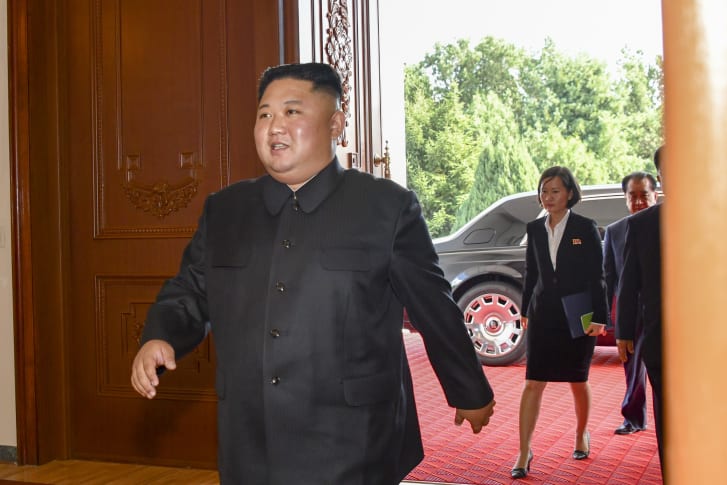
Kim was also spotted with a Rolls-Royce last year.
Daimler,
the company that owns Mercedes, told CNN it "has no indication on how
the mentioned vehicles were delivered and where they come from."
"Our
company has had no business connections with North Korea for far more
than 15 years now and strictly complies with EU and US embargoes. To
prevent deliveries to North Korea and to any of its embassies worldwide,
Daimler has implemented a comprehensive export control process, which
we consider appropriate and effective and which meets all requirements
of the export control authorities," the company said in a statement to
CNN.
"Sales
of vehicles by third parties, especially of used vehicles, are beyond
our control and responsibility. We always investigate the vehicles
displayed on the photos in the media thoroughly. However, without the
vehicle identification numbers it is impossible to find a concrete
trace."
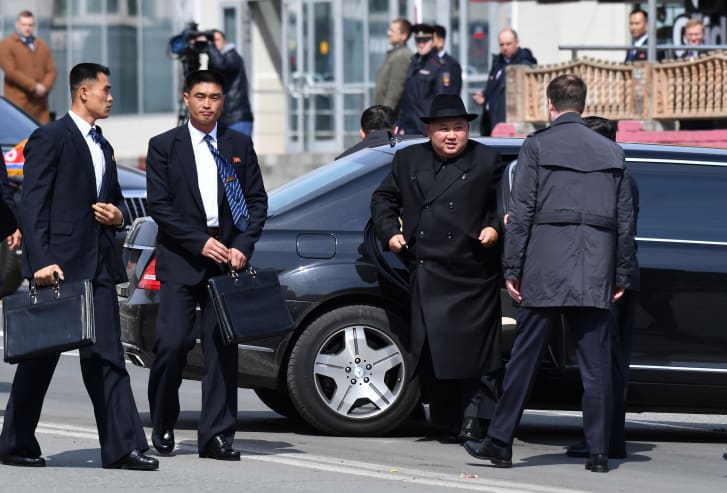
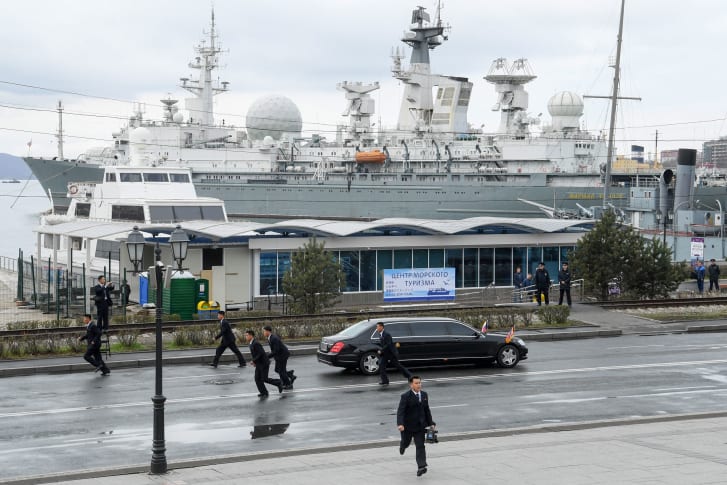
North
Korean leader Kim Jong Un steps out of a vehicle for a ceremony upon
his departure from Russia, outside the railway station in the
far-eastern Russian port city of Vladivostok on April 26.
This does not appear to be one of the two vehicles discussed in the C4ADS report. Credit: Yuri Smityuk/TASS/Getty Images
This does not appear to be one of the two vehicles discussed in the C4ADS report. Credit: Yuri Smityuk/TASS/Getty Images
C4ADS
concluded that North Korea maintains a complex, constantly evolving
series of schemes in order to obtain luxury goods, like Kim's cars, to
get around global export controls. The report concluded Pyongyang has
imported 803 luxury vehicles from 2015 to 2017, with the majority
originating from Russian companies.
"Not
only are they continuing to use techniques that have been successful in
disrupting traditional enforcement, but they're also sort of watching
how we're tracking them and developing much more sophisticated
techniques to continue to evade sanctions," said Jason Arterburn, a
co-author of the C4ADS paper.
Lucas
Kuo, another one of the report's co-authors, told CNN C4ADS'
investigation aimed to "evaluate what were the deficiencies within the
international system that allowed this activity to continue?"
The interior of a Mercedes-Maybach S 600 Guard. Credit: Daimler AG MediaPortal
Eight months of investigating
Kuo
said it took himself and the report's co-authors eight months of
investigating how Kim was able allegedly to obtain the Benzes. They
scoured customs records, shipping data, bills of lading and other
open-source documents to trace how the vehicles made their way from
Rotterdam to Pyongyang.
"We think we built a pretty compelling case to say that these Mercedes were likely bound for North Korea," he said.
CNN has not independently verified C4ADS' reporting.
Kuo and his co-authors concluded that the two Mercedes left Rotterdam for
Dalian, then made their way on to Osaka, Japan, and Busan, South Korea.
From South Korea, they were shipped out on a vessel called the DN5505,
per the bill of lading.
That's when the journey gets murky. Shortly after the DN5505 left South Korea, it reported via its AIS system
-- a way to locate ships at sea -- that its intended destination was
the Russian city of Nakhodka, where it was estimated to arrive on
October 5, according to C4ADS.
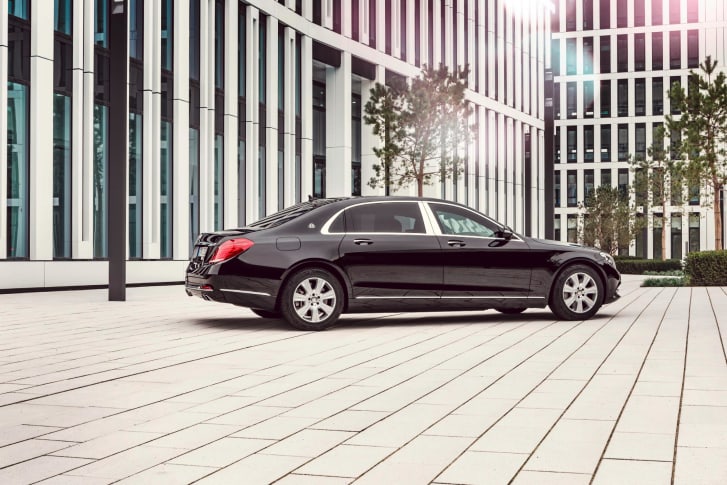
The rear exterior of a Mercedes-Maybach S 600 Guard. Credit: Daimler AG MediaPortal
However,
the ship's AIS data stopped pinging locations from October 1 to 19,
according to the report. Though AIS transponders do not ping when ships
are far at sea, they could have been turned off -- a common tactic used by ships breaking sanctions law, experts say.
When
the DN5505's transponder turned back on, the ship was spotted near
where it originally disappeared, according to C4ADS, but this time
heading in the opposite direction back to Busan. On November 2, the
vessel submitted a bill of lading to South Korean customs authorities
that showed the ship was transporting anthracite coal allegedly from
Nakhodka. But in Nakhodka, "no record exists" of the DN5505's arrival,
C4ADS said.
CNN has reached out to the Port of Nakhodka authorities for comment on the report.
A
limousine belonging to North Korean leader Kim Jong Un drives away
after a wreath-laying ceremony at a World War II memorial in the
far-eastern Russian port of Vladivostok on April 26. This does not
appear to be one of the two vehicles discussed in the C4ADS report.
Back
in Russia, on October 7 -- two days after the estimated arrival time of
the DN5505 -- three Ilyushin-76 cargo jets operated by North Korea's
state-run airline reportedly traveled from Pyongyang to Vladivostok.
Those jets are often used to transport armored vehicles used by North
Korea's elites, and are rarely spotted in in Vladivostok, C4ADS said.
"When
asked for comment, the North Korean consulate in Vladivostok reportedly
did not provide an explanation for the unscheduled flights on October
7," C4ADS said in its report.
"We
have not uncovered direct evidence that the overlapping visits of the
cargo jets and the DN5505 to the Russian Far East are related. However,
given the heavy lift cargo capacity of the planes and their role in
transporting Kim Jong Un's armored limousines, it is possible that the
cargo jets could have loaded the Mercedes," the C4ADS report said.
A Rolls-Royce is visible as North Korean leader Kim Jong Un arrives to meet US Secretary of State Mike Pompeo in August 2018. Credit: US State Department/FILE
Dual use
While
cracking down on luxury goods may not hurt North Korea as much as going
after its valuable coal exports, identifying those who allegedly helped
Kim get his cars could close off some loopholes, said George Lopez, a
former member of the UN Panel of Experts on North Korea, which is
charged with monitoring sanctions enforcement and efficacy.
C4ADS
also claims that understanding how North Korea smuggles luxury goods
could provide useful information to law enforcement attempting to stop
Pyongyang's from obtaining more dangerous items with military or nuclear
applications.
"North
Korea acquires high-end luxury goods through the same overseas
smuggling networks as other contraband. As a result, their detection and
seizure could be a means to drive action against the Kim regime's core
procurement operations," the report found.
"High-end
luxury goods share key features with dual-use goods for North Korea's
weapons program: they are scarce, specialized products with high
monetary value and great symbolic importance for the Kim regime."
Top
image: Kim Jong Un waves from his car upon his arrival in Vietnam on
February 26, 2019 to attend the second US-North Korea summit. This does
not appear to be one of the two vehicles discussed in the C4ADS report.
https://www.cnn.com/style/article/north-korea-luxury-vehicles-intl-hnk/index.html
http://news.chosun.com/site/data/html_dir/2019/07/18/2019071800041.html


